

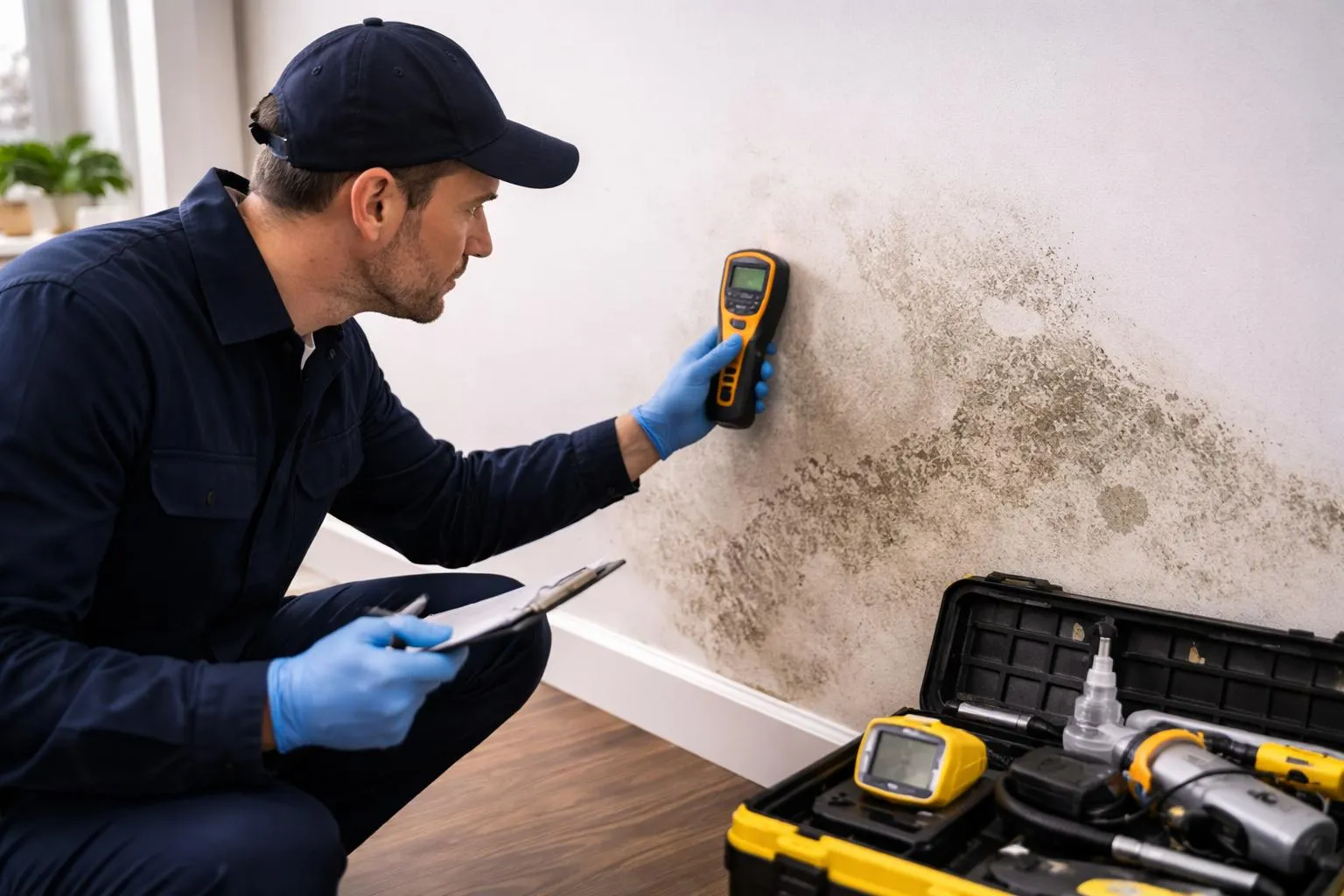
Property inspections often focus on visible damage, building condition and maintenance requirements. However, potential contamination and moisture-related problems may require separate investigation before renovation work begins. A rental property meth test kit nz property manager considers can provide preliminary screening information about sampled surfaces. It cannot, by itself, establish the full extent or significance of contamination. Understanding the purpose and limitations of screening products helps landlords, buyers and homeowners decide when further professional assessment is necessary and avoid making expensive decisions from incomplete evidence.
Identify the Reason for Property Screening
Different property situations require different investigations. A landlord may have concerns following unusual tenant activity, while a purchaser might request additional checks after receiving information about previous contamination. Visible dampness, leaks or musty odours can raise separate concerns about mould. Testing should respond to a specific question rather than replace a comprehensive building assessment. Property owners should document the concern and consider what evidence would meaningfully influence their next decision. This approach helps distinguish useful preliminary checks from investigations that need qualified professional involvement.
Understand the Limits of Meth Screening
Surface screening kits generally assess samples collected from selected locations. The result applies to the tested material and conditions, not necessarily the entire building. A negative result from one location cannot guarantee that other surfaces are uncontaminated. Likewise, a positive result does not automatically establish the exposure risk or remediation required. Different products may use different detection thresholds. Property owners should read instructions carefully and understand the meaning of the reported result. Independent professional assessment may be necessary where findings are disputed, or significant decisions depend on them.
Select Sampling Locations With Care
Where a screening product permits user collection, the sample should be taken strictly according to its instructions. Choosing areas based only on convenience can produce information that does not address the original concern. Visible residues, room history and suspected contamination locations may affect the sampling strategy. However, developing a representative investigation across an entire property requires technical expertise. Property owners should avoid presenting limited screening results as a definitive building-wide assessment. If contamination is suspected, a qualified assessor can determine an appropriate sampling plan and explain its limitations.
Investigate Moisture Before Addressing Mould
Mould problems usually indicate moisture conditions that require attention. Leaking pipes, condensation, damaged roofs and inadequate ventilation can all contribute to fungal growth. A mould test kit nz homeowner uses may help identify certain mould groups in a sampled area, but it does not determine the extent of growth or measure airborne exposure. Visible mould and persistent dampness already justify investigating the moisture source. Effective remediation focuses on correcting water-related conditions rather than relying exclusively on the identification of individual mould species.
Interpret Screening Results Without Overstatement
Screening devices provide information within defined technical limits. For example, a product designed to detect selected mould types cannot establish that a property is free from every other fungal species. A methamphetamine surface test may identify whether a sampled area meets a particular screening threshold without explaining its origin. Results should therefore be interpreted alongside building history, physical inspection and professional advice where necessary. Property owners should retain product instructions and testing records. This documentation supports more informed discussions if additional assessment or remedial work becomes appropriate.
Know When Specialist Assessment Is Necessary
Professional assistance becomes important when contamination is extensive, results are disputed, or major financial decisions depend on the findings. Suspected building contamination may require a qualified assessor to determine sampling locations and interpret laboratory results. Widespread mould, recurring dampness or significant water damage can also justify a specialist investigation. Property owners should avoid disturbing suspected hazardous materials before obtaining appropriate advice. Renovation contractors may need additional information to plan safe work. Early professional involvement can prevent unnecessary demolition and reduce the risk of overlooking important conditions.
Conclusion
Property screening is most useful when its purpose, limitations and follow-up requirements are understood. Preliminary results can inform further enquiries, but they should not replace qualified assessment where contamination or health concerns are significant. New Zealand landlords and property owners can review available testing products through directdrugtesting.co.nz, including options for surface screening and selected mould identification. Reading product instructions and considering professional advice before making renovation decisions can prevent costly misunderstandings. Responsible investigation supports better maintenance planning and more informed property management.